Sally sitting by the coast in warm evening light

End-of-life doula

A steady presence through end of life

Planning, advocacy and companionship shaped around the person and the people who matter to them.

Let’s connect

Who I work alongside

Different lives.Different needs.

The kind of support someone needs depends on who they are, what is happening and who is around them.

People with disability

I support people with disability, and the people around them, to plan for and experience end of life in a way that honours who they are, what matters to them and where they want to be. I have a particular interest in helping people remain in the place they call home, including when home is a group home.

Children with life-limiting conditions and their families

I support children with life-limiting conditions and their families through end of life, helping them think about what matters most to them, prepare for what lies ahead and feel accompanied through end of life and grief.

Adults approaching end of life and the people around them

I support adults approaching end of life to make this part of their life their own: exploring what matters most, having important conversations and putting practical plans in place. I also help the people around them understand and support those choices.

How I can help

You decide what support looks like.

End of life can bring unfamiliar decisions, difficult conversations and practical things that need attention. When family, health services and paid supporters are all involved, it can be hard to know who is responsible for what, and easy for the person’s wishes to get lost.

Support can be practical, creative, deeply personal or all three. Here’s what that might look like.

Planning and preparation

Exploring what matters to you: your hopes and fears, where you’d like to die, and what trade-offs you are and aren’t willing to make. This can also include working out what you can do now to help make that possible, and paperwork, from simple forms to more complex legal documents.

Getting things in order

Practical help sorting possessions, digital accounts and the private things you’d rather deal with yourself than leave for someone else to discover.

Legacy and connection

Creating letters, videos, recorded stories, family recipes and other things you want to leave behind. I can also help you connect with loved ones who can’t be physically present.

Coordination and advocacy

Bringing together family, friends, paid supporters, community services, hospitals and palliative care so people understand their roles and the person’s wishes remain central.

Companionship, reflection and ritual

Being alongside you through end of life, dying and grief. This might include reflecting on the life you’ve lived, exploring what feels unfinished, making space for healing where possible and having the conversations that matter. I can also help create personal rituals to mark change, dying, death and remembrance.

Corporate support

I work with disability service providers to prepare for and respond well when someone is approaching end of life. This can include planning, staff preparation and coordinating support, including helping make dying at home possible when that’s what someone wants.

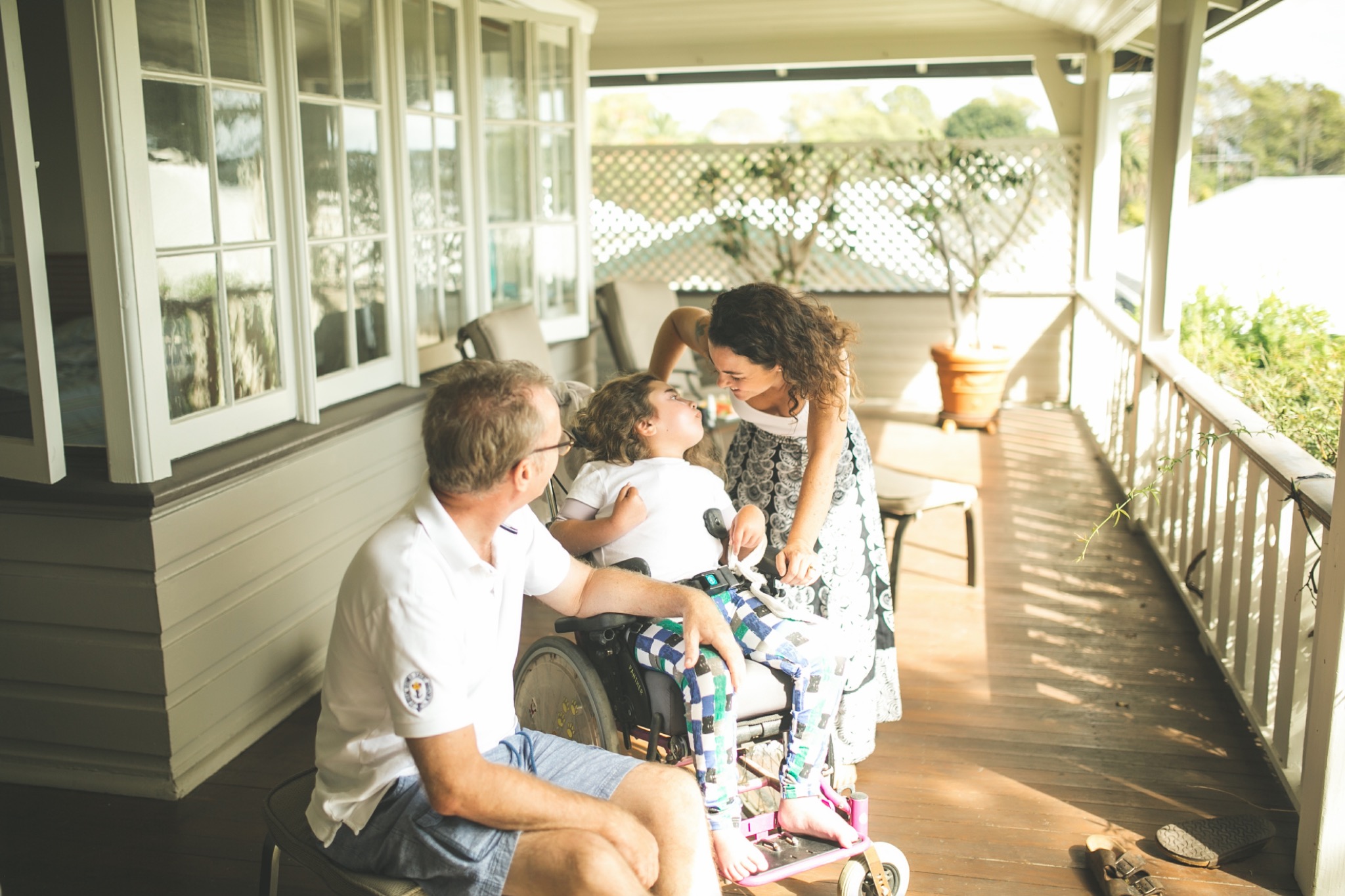
Sally and Mike sharing a moment with Nicky on the porch at home

About me.Sally Coddington

I’ve worked in the disability sector for more than 15 years, following an earlier career in finance and human services. I bring energy and curiosity to my work, and I like solving problems. I’m comfortable talking honestly about difficult things, and I don’t believe serious work has to feel solemn all the time.

My daughter Nicky lived with profound disability and died in 2018. Being her mum and being with her through her life and death changed me deeply. It shapes how I approach this work and why I care so much about people being known, heard and supported in ways that reflect who they are. If you’re a parent walking this path, I come to this work as a parent who has walked it too.


Questions and answers

Frequently asked questions.

Can you help with paperwork and practical planning?

Yes. I can help make paperwork easier to understand, identify what needs attention and work through practical decisions while keeping the person’s wishes central.

How can you support a person living in a group home?

I can help the person communicate what matters to them, take part in planning and remain central to decisions. I can also work with family members, support workers and service providers to help the person remain in the place they call home wherever possible.

Can you work alongside palliative care and other health care services?

Yes. My role can sit alongside palliative care, medical care and other services. I do not replace clinical care. I can help with communication, planning and keeping the person’s wishes visible across the people involved.

Can you help our team prepare for a participant's end of life?

Yes. I can help develop end-of-life policies and procedures, train staff, and be on call to provide vigil support when someone is dying. I work alongside your existing team, not instead of it.

Where do you provide support?

I am based in Newcastle, NSW. Please get in touch to talk about where support is needed and what may be possible.

Get in touch

Let’s start with a conversation.

You don’t need to know exactly what you need before getting in touch. Tell me a little about what is happening, and we can talk about whether I might be the right person to support you.